Disclaimer
Is this project open source? Yes
Is this project completely free? Yes
Is this project vibe-coded beyond the author’s ability to comprehend how it works? No
Hi all,
Sharing a new plugin: Draft Bench, a manuscript-management workflow for fiction writing built around plain markdown. Projects, chapters, scenes, and drafts are first-class note types with frontmatter-native identity, so files move freely in your vault without breaking the structure.
A few of the things it does:
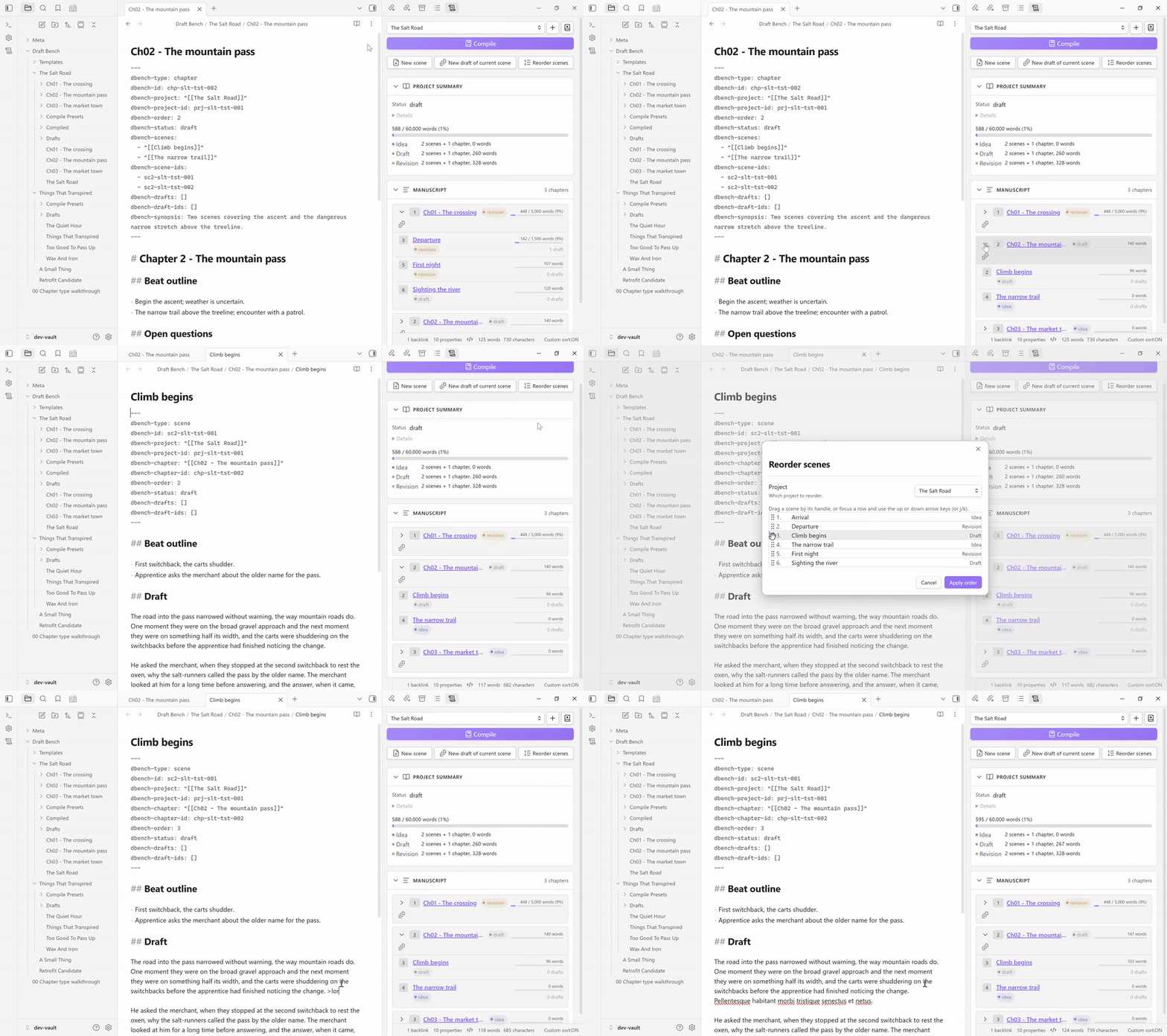
- Manuscript view in a dockable workspace pane: chapter cards, scene rows, word-count rollups, status chips, drag-to-reorder. A second “Continuous” tab renders the entire project as one scrollable read-only document for revision read-throughs.
- Compile to Markdown, PDF, DOCX, or ODT via per-preset compile rules (heading scope, embed handling, frontmatter handling, section breaks). A Preview tab in the Manuscript Builder shows the rendered output before you write the export.
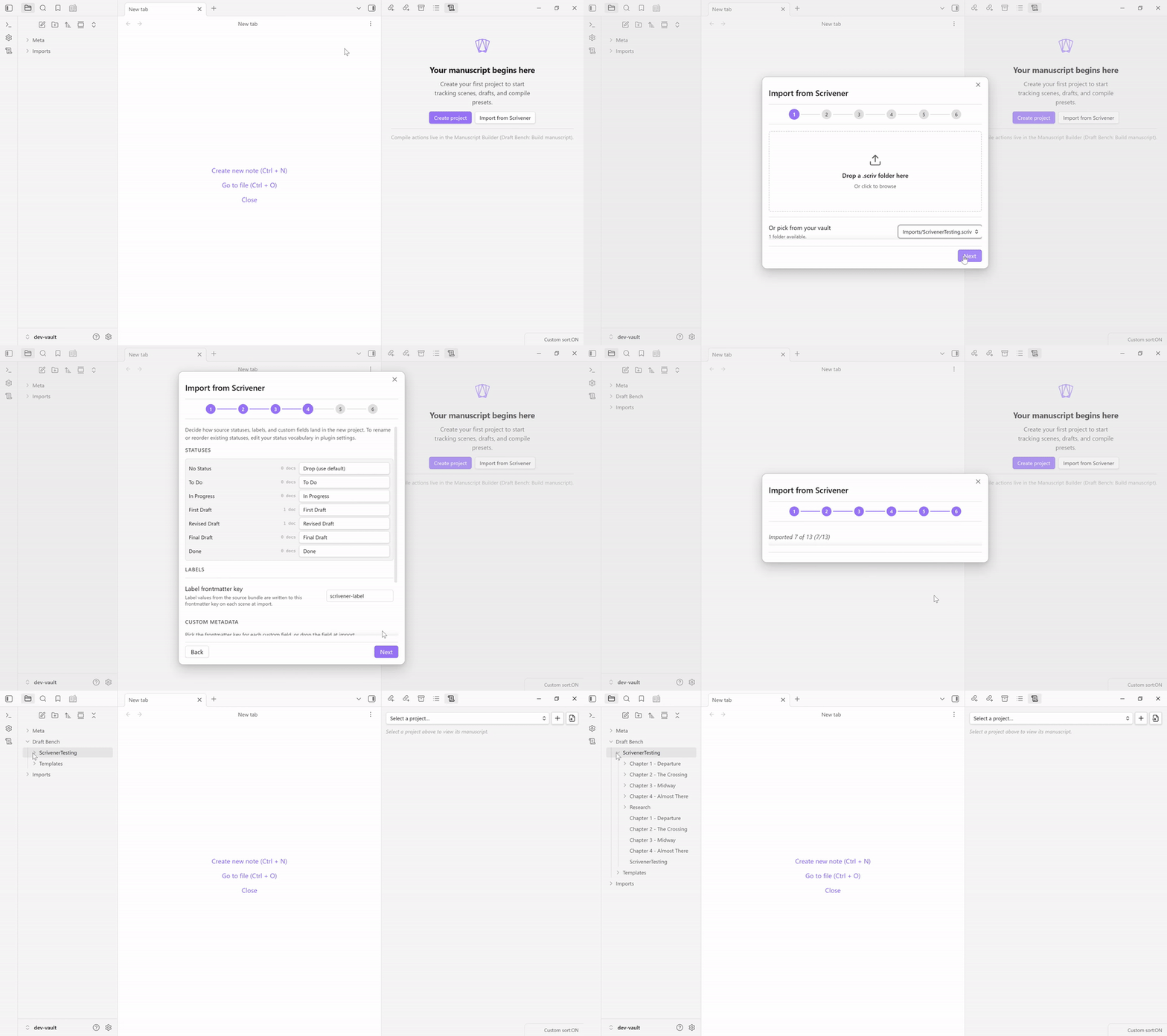
- Scrivener 3 project import: an 8-step wizard reads a
.scrivbundle and writes a fresh Draft Bench project (chapters, scenes, sub-scenes, drafts, inspector content, optional snapshots). - Drafts as snapshots: capture a scene, chapter, or sub-scene’s body as a versioned draft note alongside the live file.
- Integrity service with batch scan and repair, so the bidirectional links between project / chapter / scene / draft / sub-scene stay coherent as you reshape the vault.
- Mobile-supported (Android verified; iOS / iPadOS untested).
- Plain-markdown by design: no proprietary format, no database, no cloud account. Your files are just markdown with frontmatter; Draft Bench is the structural layer on top.
What it isn’t: Draft Bench is deliberately scoped to the manuscript surface. Worldbuilding (characters, locations, timelines) stays user-managed in plain markdown, or moves to the sibling Charted Roots plugin which owns that side.
Links
- Plugin listing on community.obsidian.md
- Source on GitHub
- User docs on the wiki
- Website (Guides and more)
Feedback welcome.